
Set the removed bearing aside before reaching for solvent. Mark both rings, circle the loaded arc, and photograph untouched grease and loose debris. Washing destroys those pockets and can hide differences between the seal sides.
Carry two explanations into the review. One asks whether current crossed the rolling contact. The second asks whether service temperature, viscosity, lubricant supply, water, debris, and duty left the contact short of film. Evidence must establish which came first.
What Can the Raceway Actually Tell You?
Those wide teardown bands come late in the process. At the beginning, voltage breaks through the film at a small contact. The discharge briefly melts a pinpoint of steel. A crater remains when it cools. Thousands of local events can later become frosting or a fluted band.
That order suggests the lab plan. Do not magnify only the most dramatic band. Include a quiet-looking reference area. A dense crater field fits a discharge mechanism; broad polish, directional smearing, adhesive transfer, or scoring makes film thickness, fits, supply, speed, and load the more urgent questions.
Fluting still needs caution. SKF notes that vibration can occasionally leave a washboard-like pattern. The large pattern is therefore a location clue for microscopy, not proof of origin.
Read the Lubricant Sample in Context
“Dark” describes appearance, not cause. Oxidation, metal, dirt, heat, and discharge can each produce it. Sample location and laboratory findings carry more weight than the teardown adjective.
Do not mix seal-side material with grease from the loaded arc. Send both, plus an unused reference sample of the specified product. Choose laboratory checks that fit the lubricant and question; possible checks include water, particles, consistency, viscosity, oxidation, and distribution. Keep the location attached to every result.
The drawing may show the correct lubricant and the contact may still have run short of film. Ask three practical questions: what viscosity did temperature produce, what film could form at the recorded speed and load, and did the filling method feed the working contact? Only then can the report discuss lubrication adequacy.
When the Evidence Refuses an Either-Or Answer
Craters beside degraded grease can belong to the same sequence. SKF describes discharge damage to steel and lubricant. The damaged grease may then feed a second round of wear, leaving mechanical distress over the earlier electrical marks.
Do not reverse the logic merely because the film was thin. That finding changes the contact condition but does not date the electrical event. Set out the proposed chronology and state what future observation would contradict it.
Run the OEM Investigation in Five Passes
1. Keep the “where” attached to every finding
Mark the bearing’s direction and loaded arc before washing. Photograph the elements, raceways, cage, fits, seals, grease placement, and nearby conductive routes. Label samples by position. Otherwise the evidence for ingress, starvation, heating, or current flow becomes detached from its location. Put a ruler and orientation tag in the frame. Capture seal-lip damage before removal, and place lubricant from beside that lip in its own container.
2. Build a map before choosing microscope sites
Trace every feature around the ring, including the quiet sections, and choose microscope sites from the completed map. A diagnosis should explain the distribution; one isolated crater discovered after a long search is not enough.
3. Compare lubricant samples
Review used lubricant against the fresh specification and keep the sampling location attached to every result. Water near a seal, metallic particles in a loaded zone, broad oxidation, or localized charring lead to different next checks. A mixed bulk sample can hide those differences.
4. Recreate the condition, not just the hardware
An idle rig may not reproduce the event. Restore the recorded inverter state, cable route, grounding, speed, load, and temperature. Document the probe position, reference, and bandwidth. Synchronize current or voltage with switching, speed, and torque; an isolated peak without timing is weak evidence.
5. Rerun the point after one controlled change
Once the path on paper is credible, alter one relevant item and rerun the point. The approved trial could concern a ground, insulation, cable arrangement, inverter setting, or bearing concept. A repeatable drop in the electrical signature supports that route. It cannot close unrelated seal, contamination, supply, or temperature findings.
How CDTL E-Axle Information Supports Bearing Review
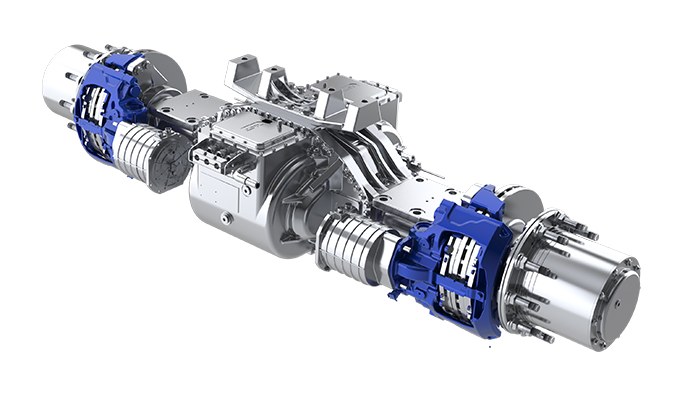
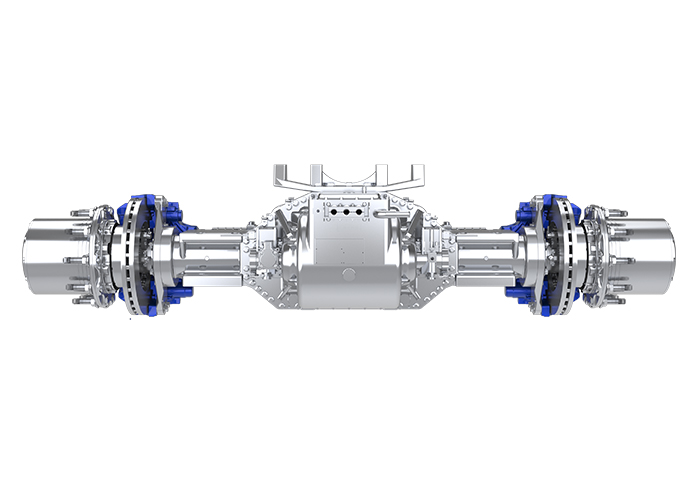
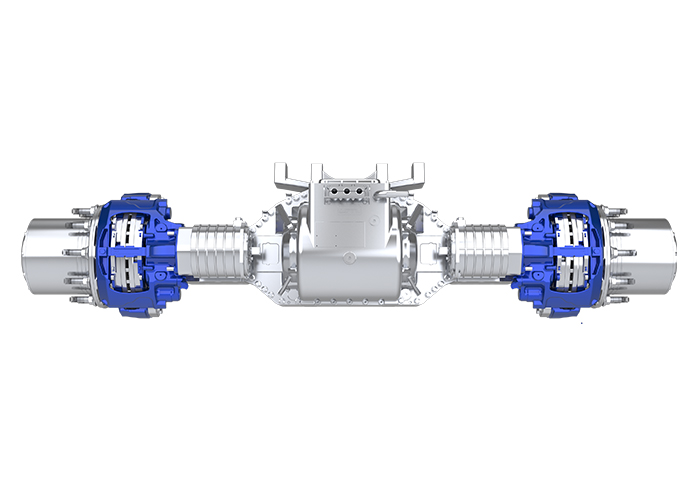
For company background, see Hangzhou Contemporary e-Drive Technology Co., Ltd. (CDTL). Its EA5000N product page groups the motor, suspension, axle, and brakes in one assembly, which defines interfaces for review but does not document a field failure or universal remedy. Use the CDTL product portfolio to set product scope, the truck solution page to set vehicle context, and the technology overview to frame system questions. Provide installed inverter, cable, bonding, seal, lubricant, thermal-duty, and operating-profile details through the contact page when discussing a specific project.
What Should an OEM Put on the Review List?
Start the review sheet with the exact bearing and configuration revision. Follow with the assumed loads and the installed lubricant, fill method, seals, bonding, inverter, and cables. The last block should assign custody of failed parts, laboratory work, acceptance channels, and repeat points. Now both teams know whether their results are truly comparable.
Conclusion
The chosen explanation has to fit four records at once: steel, lubricant, electrical trace, and change history. Craters occurring with repeatable current events strengthen the electrical case. Film-related wear backed by sample, seal, temperature, and maintenance evidence strengthens the lubrication case. If both survive, report both and test their proposed order by changing one controlled variable.
FAQs
1. Does a fluted raceway confirm electrical erosion?
No. The pattern tells the lab where to look closely. It still needs crater evidence and an electrical event that repeats in the relevant configuration. SKF notes that vibration can occasionally produce a similar washboard appearance.
2. Can electrical discharge also affect grease?
Yes. A discharge can age or char grease. Loss of lubrication quality may then add mechanical wear over the earlier electrical marks. Review sample and surface records on one timeline.
3. Is an insulated bearing the automatic solution?
No. A ground strap, insulation layer, hybrid bearing, cable change, or control change does not address the same route in every design. Find the route first. Test the selected response with the complete axle and vehicle arrangement.