
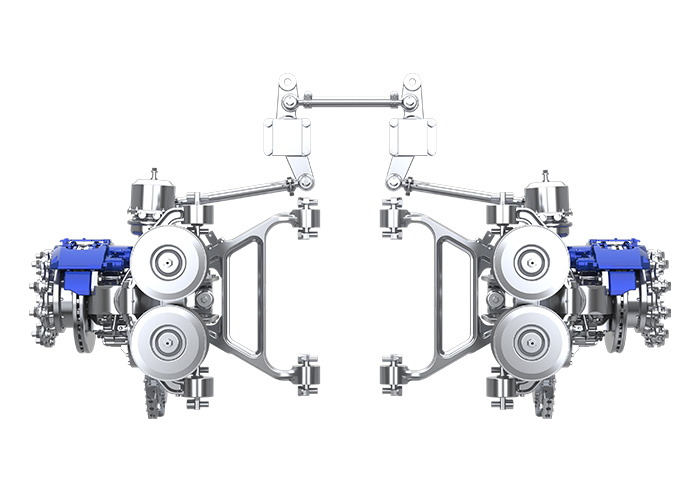
The car manufacturers’ shift to the electrified mobility is driving the automotive sector to record demand for efficient, robust, and high performance electric drive axle systems. The electric axle market size is projected to reach USD 35 billion by 2030, at a CAGR of 20.8% between 2023 and 2030. This growth will be driven by widespread adoption of electric vehicles, including passenger cars as well as commercial vehicles. The selection of the right electric drive axle supplier is becoming a strategic matter for car manufacturers, as the chosen system will determine the vehicles’ performance, operating costs and overall service life.
What Defines a Reliable Electric Drive Axle Manufacturer?
To be considered a reliable supplier a company has to be technically competent and carry out strict quality control as well as run its business transparently.
Technical Expertise and Engineering Capabilities
A supplier of electric drive axles needs to have top-notch mechanical and electrical engineering in order to design well-integrated systems that have high torque, good efficiency and a small design. In addition to the engineering, a supplier of electric drive axles also needs to have a strong in-house R&D environment with simulation tools and test facilities in order to continuously improve. The presence of design patents as well as co-operations with car manufacturers that are considered to be ahead of the game are indicators of the supplier’s level of maturity when it comes to the integration of complex systems into current and future EV platforms.
Quality Standards and Certifications
We see to it that only the highest quality of the components that are produced are leaving the warehouse. By demanding suppliers to be certified according to ISO/TS 16949 or IATF 16949, the quality assurance of the production is defined by the globally applicable automotive manufacturing standards. Even the complete material flow as well as the production itself are subjected to independent audits on a regular basis. These ensure the required high quality of the material as well as the precise production and also the correct tests on the end of the production line. The complete audit report as well as the test reports are also available to the OEM customers in detail and serve to guarantee the high durability required for the travel in constant stress as well as the reliability of the delivered electric axle drive systems.
How Important Are Performance Metrics in Evaluating an Electric Axle Drive System?
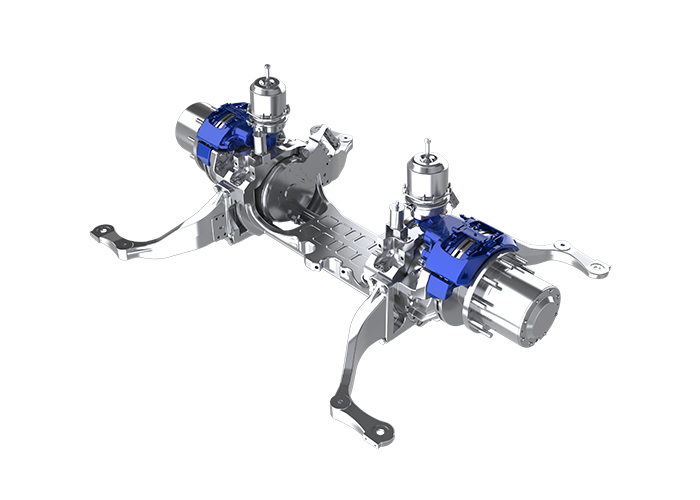
Performance metrics provide objective quantitative measures to assess the engineering integrity and the appropriate applications of engineering systems.
Efficiency, Torque Density, and Power Output
Efficiency directly influences vehicle range—a critical factor for both passenger EVs and heavy-duty trucks. High-efficiency e-axles minimize energy loss between battery output and wheel propulsion. Torque density—the ratio of torque output to system weight—has become another decisive metric; higher values enable lighter drivetrains without sacrificing pulling power. Continuous versus peak power ratings further reveal how well an electric drive axle performs under sustained load conditions, helping fleet operators match systems to their duty cycles accurately.
Thermal Management and Durability Testing
One of the most critical thermal issues within e-axle operation is maintaining constant operation throughout extended periods of use. As has been well-documented in a multitude of publications, liquid cooling, whether in the form of a novel advanced cooling circuit or simply in the form of a conventional integrated heat exchanger, will mitigate the chance of thermal overload whilst at the same time extend the service life of critical components. It is therefore commonplace for manufacturing organizations to carry out so-called lifecycle tests under variable loads, simulating constant-speed cruising, frequent start-stop in urban environments or even constant hill climbing. A great deal of knowledge and experience has been garnered from such arduous endurance tests and trials, providing early indicators of potential component wear as well as issues with lubrication that could be used to inform and improve the planning of Predictive Maintenance whilst furthermore increasing overall e-axle reliability.
What Role Does Cost Analysis Play in Manufacturer Selection?
Costs go beyond the purchase price itself, and also determine the lifecycle costs and the operational resilience of a solution.
Balancing Initial Investment with Long-Term ROI
The lowest upfront costs are not always the best for your bottom line as low quality materials can lead to a shorter life and more service calls. The best way to compare the cost of different products is through a total cost of ownership (TCO) analysis. This includes a products energy efficiency as well as the expected time between maintenance, the cost of spare parts and potential down time. A manufacturer who clearly outlines all of the costs for you clearly shows that they are a trustworthy organization to do business with.
Supply Chain Stability and Lead Time Considerations
Supply chain robustness has emerged as a key differentiator post-pandemic. Reliable suppliers maintain diversified raw material sources to mitigate disruptions in magnet materials or semiconductor components essential for motor controllers. Localized production networks can reduce logistics expenses while shortening delivery times—a crucial advantage for OEMs managing tight production schedules. Additionally, scalable manufacturing capacity allows suppliers to adjust quickly to shifts in order volume without compromising quality control.
How Can After-Sales Support Influence Operational Success?
The excellent manufacturing and after-sales service provided by UME ensures that the production can run continuously and smoothly until the parts and wear-out of the machine are due for replacement.
Technical Assistance and Maintenance Services
Support for a quick integration in new vehicle architectures. With detailed documentation, with diagnostic software and a structured training the OEM-Engineering is supported during the installation of the modules. In some cases even remote monitoring or dispatching of service personnel for troubleshooting in case of a failure.
Warranty Terms and Spare Parts Availability
The extent of a warranty covers the manufacturer’s confidence in the durability of his product. For those operating in harsh environments, the extended warranty of motors, gearboxes and control systems can mitigate the operator’s financial exposure. The matter of spare parts does also play a significant role. The timely delivery of replacement parts, allowing for a rapid return to service, is critical for operator’s who generate their main income from the use of their vehicles.
Why Do Real-world Applications Matter When Assessing Reliability?
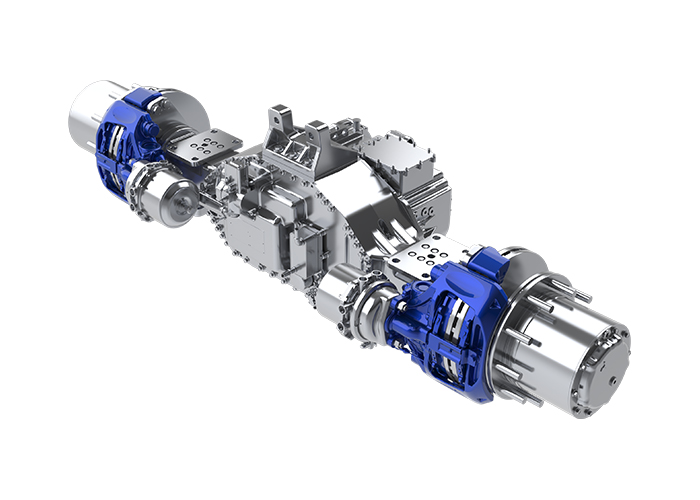 Lab data can tell us a lot about a design’s performance. But it’s only when we gather real-world data from actual application that we can really trust how our designs will hold up to a variety of different scenarios.
Field Performance Across Different Vehicle Segments
The requirements for the operation of the Electric drive axles can vary greatly depending on the Vehicle type. City Buses, for example will typically require High torque at low speed and are dependent on maintaining a constant thermal situation throughout operation. When stopping and starting in traffic for long periods, trucks used for delivering goods will typically operate in energy-efficient mode over longer periods on the road. Utilizing studies of logistics fleets, optimized e-axle configurations can even extend the battery life by almost 10 % and thus have a direct influence on the energy consumption as a whole.
Feedback from OEMs and Fleet Operators
The feedback loop between the manufacturers and customers, ensures continuous improvements to the mechanical design as well as the software calibration. The testimonials of our established OEM customers consistently express high torque even under highest loads and also lower maintenance intervals than those of the corresponding diesel driven products. The close and on-going cooperation on improvements between the manufacturers and the customers, allows also smaller improvements like better bearings or an optimized inverter cooling, which in the long run, also lead to an overall improvement of the products’ reliability throughout the generations.
Who Is Hangzhou Contemporary e-Drive Technology Co.,Ltd.?
Hangzhou Contemporary e-Drive Technology Co.,Ltd. known as CDTL, is recognized within the industry for its specialized focus on integrated electric axle drive systems serving trucks, buses, autonomous rail rapid transit vehicles, smart trailers, and mining dump trucks. The company offers engineering collaboration from prototype concept through mass production alignment with client-specific technical goals. Its services include custom design partnerships enabling co-development tailored to unique chassis layouts; comprehensive testing programs incorporating NVH analysis and road validation; as well as ongoing lifecycle support featuring operator training modules designed to maintain peak system performance throughout service life.
Conclusion
Choosing the right electric drive axle supplier requires a detailed analysis of a potential supplier’s technical capabilities, certification compliance, supply chain, prices and services. A data-based comparison using verified test data helps to avoid procurement risks and achieve the highest possible performance in electric vehicle fleets. OEMs are particularly interested in proven field experience of manufacturers, thus enabling them to select the best long-term business partner for e-mobility. With electric drive axles becoming an essential component in sustainable transportation, companies like Contemporary E‑Drive Technology Co., Ltd. deliver high quality engineering solutions and support to ensure optimal performance of their products.
FAQs
1. When searching for an electric drive axle supplier what are the main certifications that I should be looking for?
ISO/TS 16949 or IATF 16949 certification show that the supplier is able to adhere to the quality management standards required for the automotive market.
2. How to test the electric axle drive system for real life reliability?
Request for test data from endurance tests or ask for references from existing OEM customers who use this system.
3. What are the most influential factors to the total cost of ownership (TCO)?
Efficiency, maintenance, warranty, spare parts as well as down time costs.
4. Is electric axle suitable for passenger cars as well as for commercial vehicles?
No, all axles are designed on the basis of certain parameters, and in case of electric axles, design parameters are torque, gear ratio, cooling etc. and axle housing material, which differs from passenger cars to commercial vehicles.
5. How does after-sales support support long-term efficiency of operation?
After-sales support is crucial to the efficiency of operation of a system in the long term. It prevents idling by speedy troubleshooting, provides spare parts promptly and updates software from time to time to make the system more durable.