
Eliminating Mechanical Parasites: Achieving Over 95% System Efficiency Through Streamlined Drive Assemblies
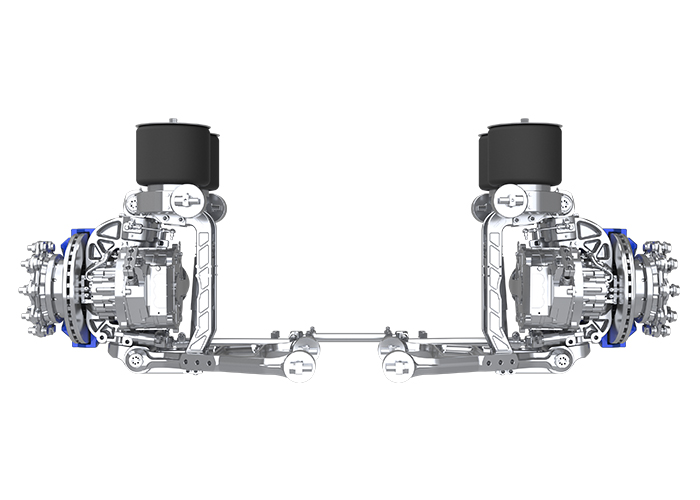
An e-axle does not lose efficiency in one dramatic event. Energy is consumed through gear mesh, bearing drag, seal friction, oil churning, rotor losses, inverter switching, and thermal-management demand. These “mechanical parasites” become especially important at light load, where fixed losses represent a larger share of the input power. Achieving more than 95% system efficiency is possible only at defined operating points and with the motor, inverter, gearbox, lubrication, housing, and controls engineered as one assembly. Buyers should examine the full efficiency map rather than accept a single peak figure. Where do the largest parasitic losses occur inside an e-axle? Losses are distributed across electrical, mechanical, and thermal subsystems. […]