
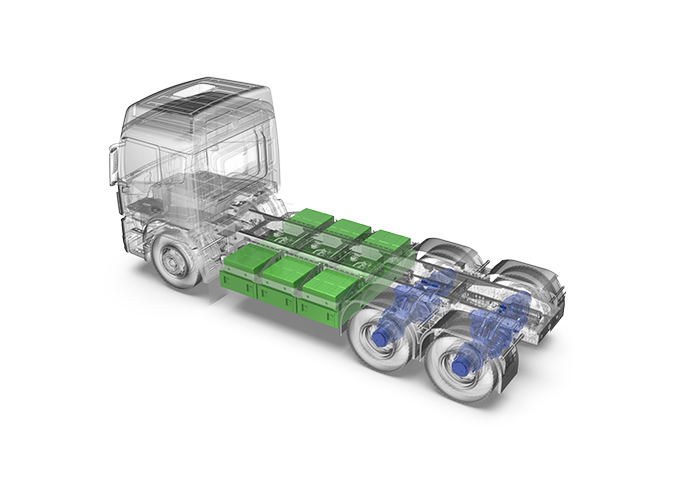
A normal coolant display does not make an e-axle thermal trip false. The dash may follow the vehicle loop while the axle reacts to a winding input, inverter device, or controller model. The useful clue is the moment torque changed. The channel named by the diagnostic gives the first place to look; nearby signals supply the context.
Which Internal Value Reached Its Boundary?
Coolant has a location. The inlet describes fluid entering the axle; the outlet has mixed heat from several paths. A vehicle-loop sensor may be farther away. None automatically represents the hottest motor or inverter point.
The Heat Source Leads the Display
Current produces loss in conductors and connections; friction produces it at moving surfaces. Heat must then cross nearby material before reaching the fluid. During repeated starts, a small region may warm while the dashboard number, influenced by much more coolant, hardly changes. Extra contact resistance and mechanical drag add heat at similarly local points.
Protection may instead use a calculated state based on a nearby sensor and operating inputs. Bosch Rexroth’s motor-drive documentation describes winding estimates and notes that sensor position and temperature distribution matter when applying model coefficients. The code definition should reveal whether the controller acted on a measurement or model output.
There is a timing issue too. Protection logic can see several updates between two points saved by a service tool. A gateway may deliver its copy later, and the dashboard can smooth what it shows. Match the clocks in the controller, CAN capture, and vehicle logger. If the trip sits inside a gap in the service-tool data, the two adjacent points cannot describe its peak.
What Does the Event Sequence Reveal?
The fault name alone rarely selects the failed part. Consider how each signal moved. A gradual rise that follows motor loading belongs to a different branch of the investigation from a one-sample jump. Coolant entering hot before the vehicle begins its pull tells a different story again.
Relate Internal Heating to the Work Being Done
Begin before the thermal value turns upward. Current and speed show the operating point; requested and delivered torque show whether the axle followed the command. Add the available internal temperatures. A protected value rising with current at low speed, while both coolant lines move slowly, behaves like local loss or its estimate. At this point, the trace has not separated unwanted resistance, drag, and restricted heat removal.
A brake remaining in contact or resistance in a bearing adds mechanical loss. A poor electrical joint concentrates loss elsewhere. Check that possibility under the troublesome duty; an easier run after cooling offers little comparison.
Find Out Whether Coolant Crossed the Axle Branch
A commanded pump says nothing about what passes through a particular hose. Flow may still be limited by air at a high point, a partly closed valve, a pinched line, or pressure loss elsewhere. The axle branch may still receive too little coolant.
The installation supplies the next observations. Bleeding may release air that had occupied part of the path, while pressure readings on either side of a restriction may separate. The loaded inlet and outlet should then be read together rather than compared with an assumed ideal value. Both flow and transferred heat shape the difference between them.
Current and the protected channel rising first, with the outlet reacting later, focuses attention on heat retained inside the unit or on limited circulation nearby. An inlet already warm before the high-load period points farther upstream.
A Signal Jump Is Not a Thermal Ramp
Thermal mass makes rapid heating possible, but not an instantaneous leap up and back between adjacent data frames. A missing point or a reading that reacts to harness movement instead directs attention to the electrical path. Check the connector, then compare the controller value with another instrument at a stated physical location. The readings can differ, but a real heating event should leave compatible trends in both.
With the circuit behaving normally, look at configuration history. The controller may be using the wrong sensor curve, scale, current feedback, network signal, or thermal constant. A first trip after an update or hardware change narrows the search. Moving the protection point upward does not correct the interpretation.
Can the Same Boundary Close the Diagnosis?
Shutdown and code clearing remove useful context. Keep the first freeze frame and controller capture together with the torque reduction. A narrow slice around the event is enough if it contains the starting temperature, load, speed, current, torque, coolant values, pump state, and any direct flow observation. The installed hardware and control versions belong with it.
Change One Relevant Condition
Return to the same starting condition and duty as closely as the test allows. Alter one suspected cause. Bleeding the cooling branch and loading new calibration in the same visit may stop the trip, but it will not show which action solved it.
The result should fit the repair. Restored circulation should change coolant behavior under the original load. Wiring work should remove discontinuities while leaving a response to real heating. A configuration correction must be checked at the earlier duty. Idling or reducing load is not the same test.
Where Vehicle and Supplier Evidence Meet
On the axle side, the open questions are the source used for protection and the hardware–software combination interpreting it. On the vehicle side, they are the cooling route and operating conditions: duty, axle load, coolant, available flow, and heat-exchanger state. Joined around one event, those views show whether the next change belongs in the axle or its installation.
Discussing a Heavy-Duty E-Axle Thermal Event With CDTL
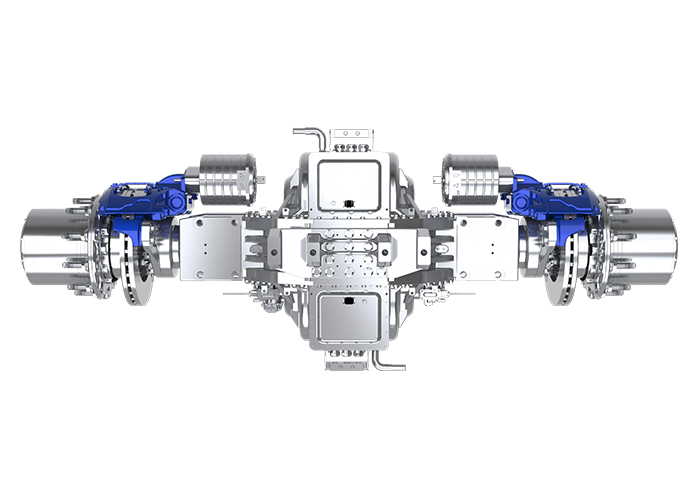
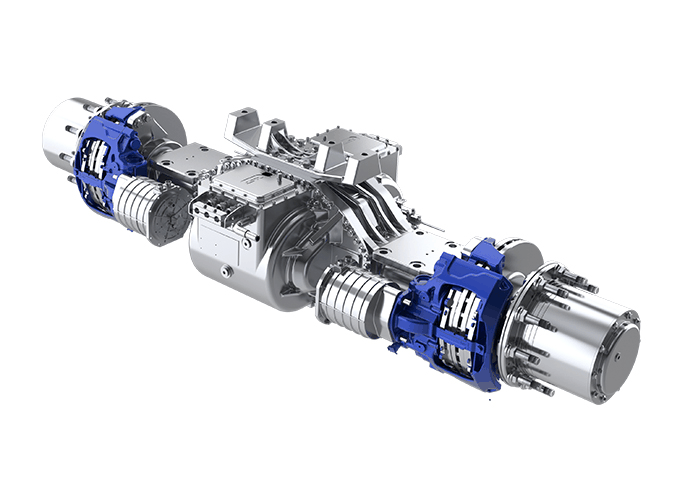
Hangzhou Contemporary e-Drive Technology Co.,Ltd‘ s electric-drive work covers integrated systems for zero-emission commercial vehicles. On the official EA5000N page, the product is presented as a dual-motor distributed e-axle with water-cooled motors for heavy trucks. A configuration discussion can start from the actual code and event capture, together with vehicle load, duty, cooling layout, and control versions. Thresholds and service action still have to match the proposed axle and its vehicle installation.
Conclusion
An ordinary coolant number answers a narrow question about fluid at its sensor. The protection event answers another question about an internal input or estimate. Put both on the same timeline with current, torque, and actual circulation. The way those signals move will show which explanation deserves a controlled retest. The limit itself should remain intact until that work explains the trip.
FAQ
1. Can Normal Coolant Rule Out a Winding Hotspot?
No. Distance and thermal delay separate the coolant measurement from the winding.
2. What Does a Pump Command Actually Confirm?
It shows that the control system issued a request. Coolant may nevertheless be held back from the axle by trapped air, a constricted route, or pressure loss in another part of the circuit.
3. How Can a Trip Peak Fall Between Logged Values?
The axle controller may update its protection input several times during one logger interval. Gateway delay can shift the copy seen by the vehicle as well. Signal identity and a common clock show whether that happened.
4. Is a Higher Limit Reasonable When the Component Looks Undamaged?
No. An unmarked component does not reveal where heat formed or whether the calibration fits the installed system. The cooling route and signal response must explain the event before a different protection limit is considered.